
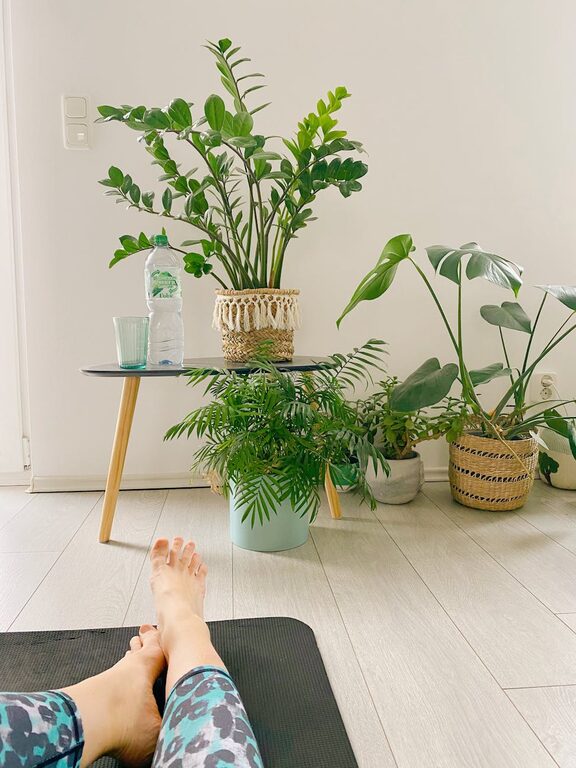
Creating a calm and relaxing home environment can significantly improve your overall wellbeing. Your home should be a sanctuary where you can unwind, recharge, and feel at peace. With some thoughtful adjustments and mindful choices, you can transform your living space into a haven that supports your mental and emotional health. Here are practical tips to help you create a relaxing home environment.
1. Declutter and Organise Your Space
A tidy space often leads to a tidy mind. Clutter can cause stress and distraction, making it harder to relax.
– Sort and simplify: Keep only items that are useful or bring you joy.
– Use smart storage: Baskets, shelves, and organisers help keep things neat.
– Create designated zones: Define areas for work, relaxation, and hobbies.
A clean and organised home invites calm and helps you focus on rest and relaxation.
2. Choose Calming Colours
Colours have a strong influence on mood and energy.
– Soft, neutral tones like beige, pale grey, or soft greens promote relaxation.
– Avoid bright, intense colours in areas meant for rest, such as bedrooms.
– Incorporate blues and greens, as these hues are linked to feelings of tranquillity.
Using calming colours on your walls, furniture, and accessories can create a soothing atmosphere.
3. Maximise Natural Light
Natural light has many benefits, including improving mood and regulating sleep patterns.
– Keep windows unobstructed to allow plenty of daylight.
– Use sheer curtains to soften light while maintaining brightness.
– Add mirrors opposite windows to reflect light and make spaces feel larger.
If natural light is limited, consider warm LED lighting to create a cosy glow in the evenings.
4. Introduce Natural Elements
Bringing elements of nature indoors can reduce stress and increase feelings of wellbeing.
– Plants are excellent for improving air quality and adding vibrancy to a room.
– Natural materials like wooden furniture, stone, or wicker can create a warm, earthy vibe.
– Water features such as fountains or bowls add gentle sounds that promote relaxation.
Even a small indoor plant by a sunny window can make a difference.
5. Create Comfortable Spaces for Rest
Your home should include areas dedicated to rest and comfort.
– Invest in quality cushions, throws, and blankets to make seating areas inviting.
– Choose a supportive mattress and bedding that encourage restful sleep.
– Arrange furniture to encourage relaxation, such as a cosy corner with a comfortable chair.
Comfortable spaces help your body and mind truly unwind.
6. Manage Noise Levels
Excessive noise can disrupt peace and cause irritation.
– Use rugs and curtains to absorb sound.
– Consider white noise machines or calming music to mask disruptive noises.
– Close windows or use double glazing if you are in a noisy area.
Creating a quiet environment is key to reducing stress and fostering relaxation.
7. Incorporate Soothing Scents
Scents can have a powerful effect on mood and stress.
– Use essential oils such as lavender, chamomile, or eucalyptus.
– Candles or diffusers can gently fill your home with calming aromas.
– Fresh flowers add natural fragrance and brighten your space.
Choose scents that you find personally comforting without overpowering the room.
8. Personalise Your Space
Make your home a reflection of what makes you feel happy and at ease.
– Display meaningful items or photos that bring positive memories.
– Include hobbies and interests in your space, like books or art supplies.
– Choose décor that reflects your style to create a sense of belonging.
Feeling connected to your environment enhances mental wellbeing.
9. Establish Relaxing Routines at Home
How you use your home space can also impact your sense of calm.
– Designate time for relaxation activities, such as reading, meditation, or gentle stretching.
– Create rituals, like lighting a candle or playing soothing music in the evening.
– Limit screen time in restful areas to reduce mental stimulation before bed.
Building consistent routines in your calm space supports long-term relaxation habits.
Conclusion
Creating a relaxing home environment is about making mindful choices that promote comfort and tranquility. By decluttering, choosing calming colours, optimising light, and incorporating natural elements, you can design a space that supports your wellbeing. Remember to focus on comfort, manage noise, and personalise your surroundings to truly make your home a sanctuary. With these tips, your home can become a peaceful retreat where you can relax and recharge every day.