Creating a home office space that is both relaxing and productive can transform your work-from-home experience. A well-designed environment helps you stay focused, motivated, and comfortable throughout your day. Whether you have a dedicated room or a small corner, these tips will guide you in setting up a workspace that encourages efficiency while promoting calmness.
Choose the Right Location
Finding the perfect spot for your home office is the first step. Ideally, this should be a quiet area with minimal distractions.
– Select a space with good natural light to reduce eye strain and elevate your mood.
– Avoid high-traffic areas or places near loud appliances.
– If space is limited, consider creative options like a nook, a spare cupboard, or even a foldaway desk.
Invest in Comfortable and Functional Furniture
Your furniture choices can greatly affect your productivity and comfort.
Desk
– Pick a desk size that fits your needs without overcrowding the room.
– Adjustable desks or sit-stand converters offer flexibility to change posture during the day.
Chair
– Choose an ergonomic chair that supports your back and encourages good posture.
– Adjustable height and armrests can help prevent strain.
Keep Your Workspace Organised
Clutter can increase stress and reduce focus. Maintaining an orderly workspace is key.
– Use storage solutions such as shelves, drawer organisers, and filing systems.
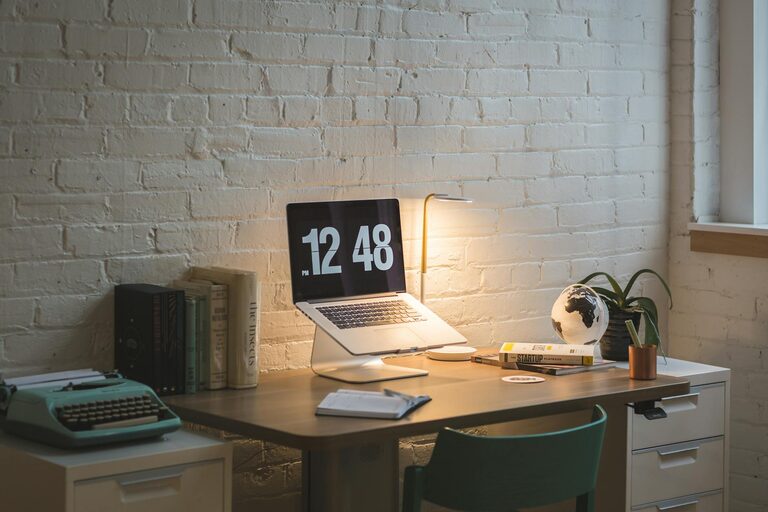
– Keep only essential items on your desk to maintain a clean and open space.
– Regularly declutter to keep your environment fresh and inviting.
Pay Attention to Lighting
Proper lighting is crucial for comfort and productivity.
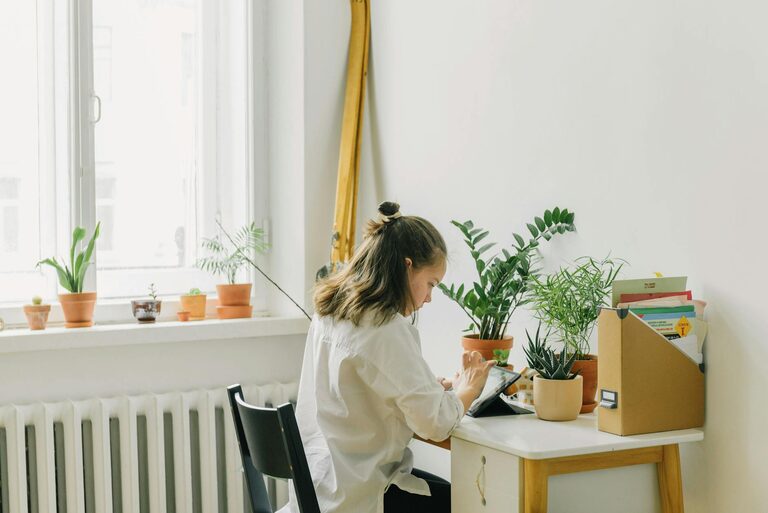
– Maximise natural light during the day by positioning your desk near a window.
– Use soft, warm artificial lights to create a calming atmosphere without causing glare.
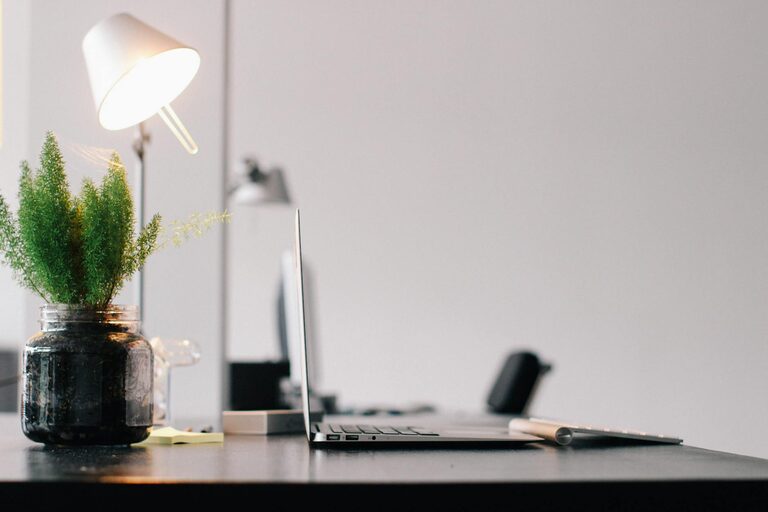
– Consider task lighting such as an adjustable desk lamp for focused work.
Incorporate Calming Elements
Adding touches that create a relaxing vibe can help reduce stress.
– Introduce plants to improve air quality and add a natural feel.
– Use calming colours like soft blues, greens, or neutral tones on walls or decor.
– Display art or photographs that inspire you but avoid anything too distracting.
Minimise Noise and Distractions
Maintaining a quiet environment is vital for concentration.
– Use noise-cancelling headphones if you cannot control external sounds.
– Consider adding rugs or curtains to absorb noise.
– Set boundaries with family or housemates about your working hours to minimise interruptions.
Prioritise Technology and Connectivity
A smooth workflow depends on reliable technology.
– Ensure a strong Wi-Fi connection or use a wired Ethernet cable for stability.
– Organise cables neatly with clips or sleeves to prevent tangling and tripping hazards.
– Keep essential devices like printers and chargers within easy reach.
Personalise Your Space
Make your office feel welcoming by reflecting your personality.
– Use items like cushions, mugs, or stationery with patterns or colours you enjoy.
– Incorporate motivational quotes or vision boards to stay inspired.
Create a Routine and Boundaries
Your environment supports your habits but setting boundaries is also key.
– Define working hours and stick to regular breaks.
– Use your office space exclusively for work to separate professional and personal life.
Maintain Good Air Quality and Temperature
Comfort includes the air you breathe and the temperature you work in.
– Open windows regularly to refresh the air.
– Use fans, heaters, or humidifiers to keep conditions comfortable.
Conclusion
Designing a home office that balances relaxation and productivity is achievable with a little planning. By focusing on location, furniture, lighting, organisation, and personal touches, you can create a space that not only boosts your work efficiency but also supports your well-being. Remember, the goal is to build an environment where you feel comfortable, focused, and motivated every day.