
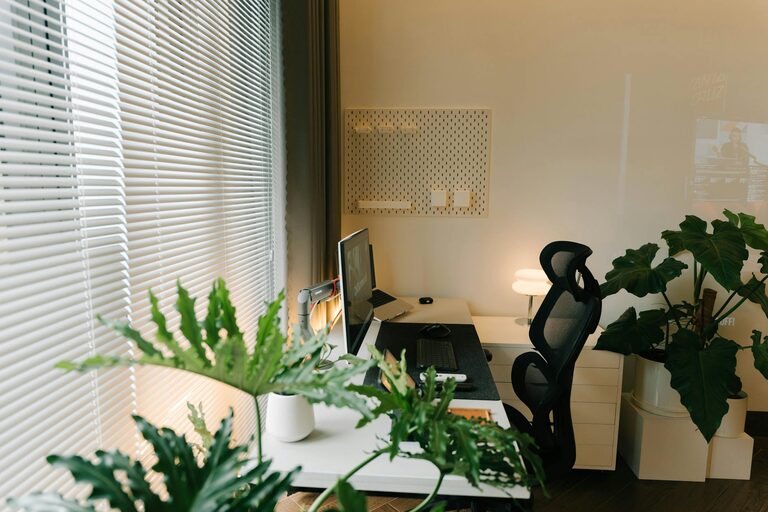
Creating a relaxing home office environment is essential for maintaining focus, reducing stress, and enhancing overall productivity. Whether you work remotely full-time or occasionally, a well-designed workspace can make all the difference to your day. Here are some helpful tips to transform your home office into a calming and inviting space.
Choose the Right Location
Selecting the perfect spot for your home office sets the foundation for a relaxing workspace. Ideally, choose a quiet area that is separate from high-traffic zones in your home. This helps minimise distractions and supports concentration.
– If space is limited, consider using room dividers or screens to create a defined work zone.
– Position your desk near a window if possible. Natural light has a positive impact on mood and energy levels.
– Ensure good ventilation so that fresh air circulates regularly.
Invest in Comfortable Furniture
Comfort is key when it comes to a relaxing work environment. An ergonomic chair and desk tailored to your height reduce strain and prevent discomfort during long hours.
– Opt for a chair with adjustable height, good lumbar support, and breathable fabric.
– A desk with enough surface area for your computer, notepad, and other essentials minimizes clutter.
– Consider a sit-stand workstation to alternate between sitting and standing, which can boost energy.
Keep Your Workspace Organised
A tidy and organised desk contributes significantly to a calm mind. Establish storage solutions and habits that keep clutter to a minimum.
– Use drawer organisers, filing trays, or shelves to keep paperwork and office supplies neatly arranged.
– Regularly declutter your workspace by removing items you no longer need.
– Consider cable management tools to prevent tangled wires.
Pay Attention to Lighting
Good lighting reduces eye strain and sets a comfortable atmosphere.
– Use a combination of natural and artificial lighting. Desk lamps with adjustable brightness offer flexibility.
– Avoid harsh overhead lights that create glare on your screen.
– Soften the atmosphere with warm-toned bulbs rather than cool, harsh lighting.
Add Personal Touches
Incorporate elements that make your workspace feel inviting without being distracting.
– Place a few items that inspire you, such as artwork, motivational quotes, or family photos.
– Introduce greenery with low-maintenance indoor plants. They improve air quality and add a calming, natural feel.
– Use colours that you find soothing—soft blues, greens, or neutrals are often good choices.
Minimise Noise
Noise can be a major source of stress. Consider ways to reduce or mask unwanted sounds.
– Use noise-cancelling headphones if background noise is unavoidable.
– Add soft furnishings like rugs, curtains, or cushions to absorb sound.
– Play gentle background music or white noise to create a steady, distraction-free ambiance.
Establish Clear Boundaries
Setting boundaries helps separate work life from home life, promoting relaxation.
– Define working hours and stick to them to avoid burnout.
– Communicate your schedule to household members to minimise interruptions.
– At the end of the day, tidy your desk and mentally close the office space to shift focus away from work.
Incorporate Relaxation Techniques
Adding moments of calm throughout the day supports well-being and productivity.
– Keep a stress ball, essential oils, or calming teas nearby for quick relaxation.
– Practice short mindfulness or breathing exercises during breaks.
– Take regular breaks to stretch and move around, helping to relieve tension.
Utilise Technology Mindfully
The right technology setup can streamline your workflow but avoid overloading your space with unnecessary gadgets.
– Ensure your computer and accessories are ergonomically placed to avoid physical strain.
– Use apps and tools that aid focus, such as timers or task managers.
– Turn off non-essential notifications during work periods to maintain concentration.
Maintain Good Air Quality and Temperature
A comfortable temperature and fresh air play a significant role in keeping your mind alert yet calm.
– Use a fan or heater as needed to maintain an ideal temperature.
– Air purifiers can help reduce allergens and improve air quality.
– Open windows regularly to bring in fresh air during the day.
—
Creating a relaxing home office is about combining practical features with personal comfort. By paying attention to location, furniture, organisation, lighting, and atmosphere, you can build a space that not only supports productivity but also nurtures your well-being. Start with small changes and adapt your workspace to what feels best for you. A calm, inviting office at home is within reach!